Parking Management: The Complete Guide for Operators
Unauthorised parkers, high maintenance costs, lost revenue – many operators know the problem. This guide shows how modern parking management works, what it costs and how to turn your area into a profitable, fully automated unit.
What is parking space management?
Parking management refers to the systematic organization, control, and monetization of parking areas. The goal is to use existing spaces more efficiently, prevent unauthorized parking, and – in the case of paid facilities – generate revenue.
The term covers everything: from simple parking disc requirements to fully automated, barrier-free solutions with AI-supported license plate recognition.
Parking management
Actively controls access – through fees, time limits, or authorization systems. Its goal is to optimize space utilization and generate revenue.
Parking enforcement
Monitors compliance with rules – and penalizes violations. It complements management but does not replace it.
Why your parking lot is currently costing you money
A parking lot without management is not a neutral asset. It is an active cost factor.

Unauthorized vehicles are blocking your spaces
Customers, employees, and visitors can't find a spot because long-term parkers or residents are occupying the space permanently. This costs you more than just revenue; it costs you customer satisfaction.

Barrier systems devour your budget
Maintenance, defects, paper tickets, pay stations: A traditional barrier system costs an average of tens of thousands of euros per year in investment, upkeep, and personnel expenses.

No overview of your own space
When is the lot full? What is the occupancy rate on peak days? Which rates work best? Without a digital system, you're left in the dark.

Manual monitoring is expensive
Parking attendants have to make rounds, check tickets, and document violations. Staffing costs money, and mistakes happen.
Traffic backups during peak hours
Barrier systems and manual payment systems slow down the entry process. This frustrates users before they have even reached the parking lot.
No revenue despite demand
Areas that could be monetized are being used for free. This is untapped revenue potential that operators often don't even realize.
Classic barrier, sensor or licence plate recognition?
Not every parking solution fits every site. Here is a clear overview:

- Physical access control
- Familiar system
- High investment & maintenance costs
- Risk of traffic congestion
- Risk of system failure
- Low entry cost
- Hardly enforceable
- Labor-intensive
- No data access
- Occupancy detection per parking space
- High installation effort
- Maintenance-intensive
- No payment function
- Barrier-free & low-maintenance
- Fully automated
- Large database for space optimization
- GDPR-compliant
- Requires clear entry and exit points
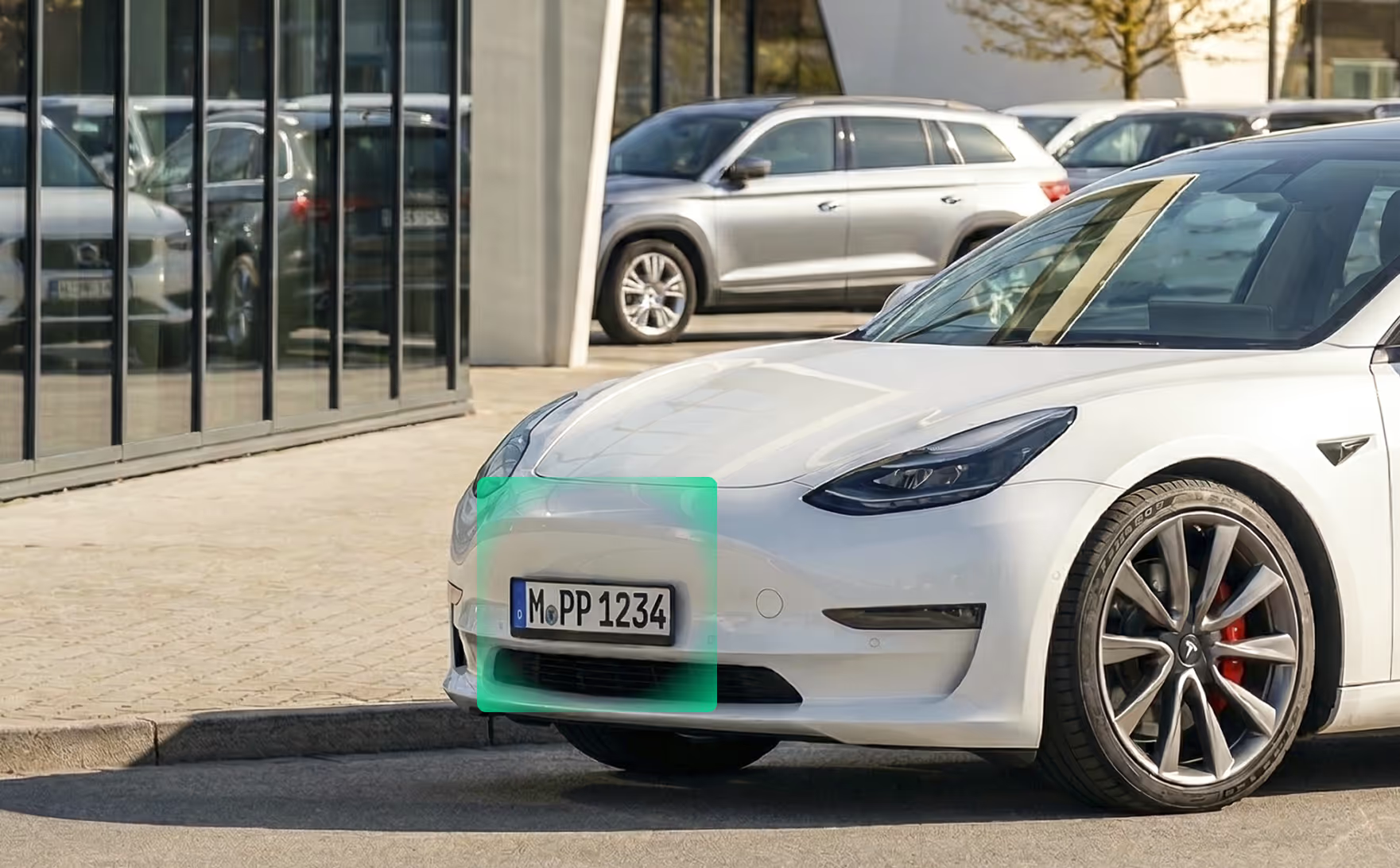
Two scanners replace the entire barrier structure.
99.9% detection rate – even in bad weather and at night.






3 steps to your digital parking management
01 Personal consultation
In a personal meeting, we analyze the potential of your parking project and work with you to select the optimal combination from our broad product range to meet your goals.
02 Individual project planning
We then develop a concept tailored to your location, including a non-binding offer.
03 Installation & setup
We implement your customized parking solution from start to finish—in just one day. A structured onboarding process ensures a smooth launch.
∞ Dedicated support
After setup, our dedicated customer service team is at your side throughout the entire contract period. Whether support, maintenance, or advice—we are your reliable partner.

Checklist: How to choose the right provider
The market for digital parking management is growing. Here are the decisive criteria:
Full-service from a single source
Hardware, software, payment, service, and billing – everything from one provider.
GDPR compliance
The provider must demonstrate that data is processed in compliance with data protection regulations and is not stored longer than necessary.
Proven technology
Detection rate, weather resistance, night operation: ask for real-world figures. At Peter Park: 99.9%.
Modularity & scalability
Can the system grow with your space? Can new locations be easily integrated?
Transparent pricing structure
No hidden fees, clear contract terms. Be sure to ask specifically about contract durations and notice periods.
References in your industry
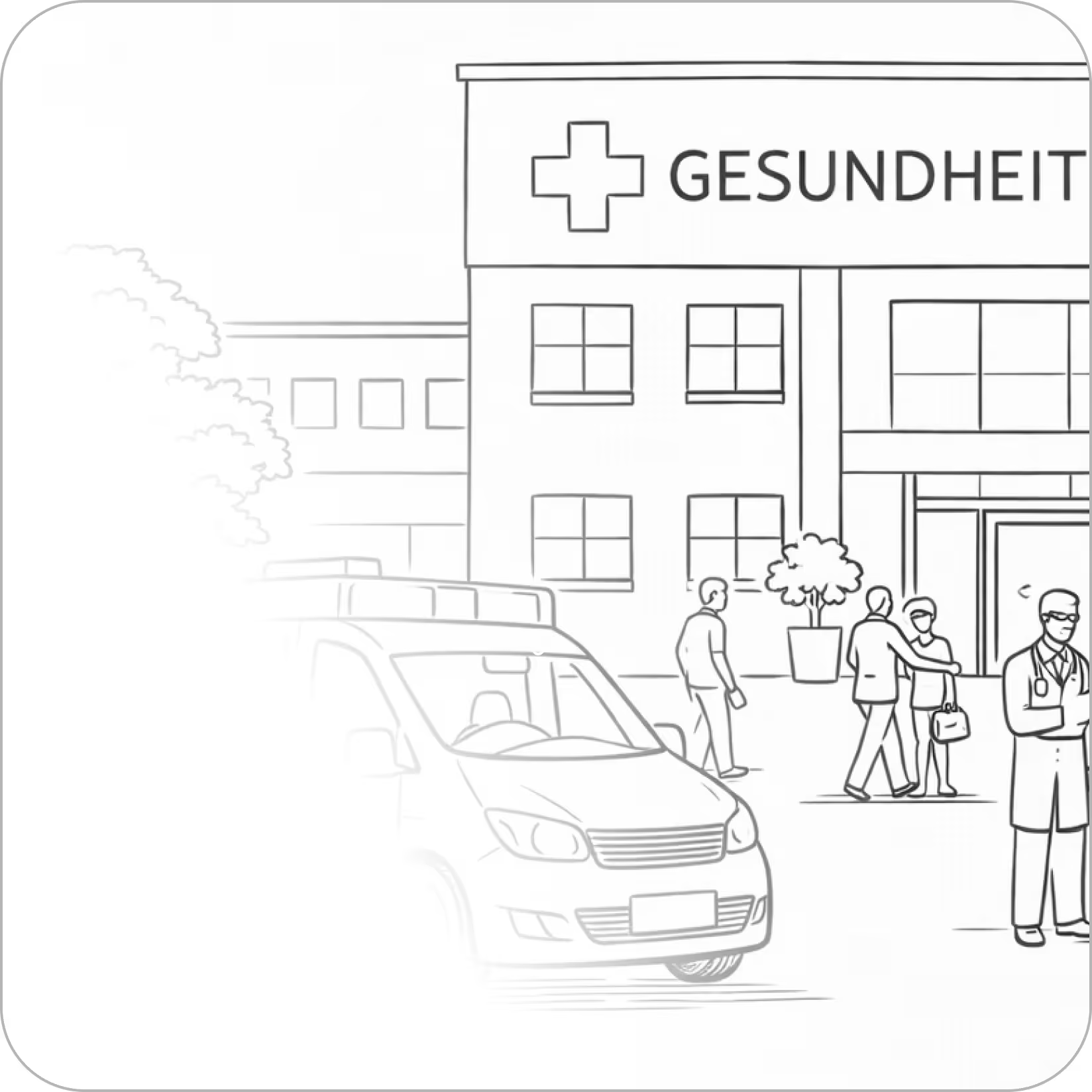
Does the provider have experience with spaces like yours—whether it's a shopping center, clinic, or mountain railway?
Dedicated contact persons
No ticket systems, no anonymous call centers. Your parking space is a critical asset.
Frequently asked questions about parking management
Parking management refers to the systematic control and organisation of parking areas – with the aim of optimising utilisation, preventing unauthorised parking and generating revenue in paid areas. Modern systems use AI-based licence plate recognition and operate without barriers or tickets.
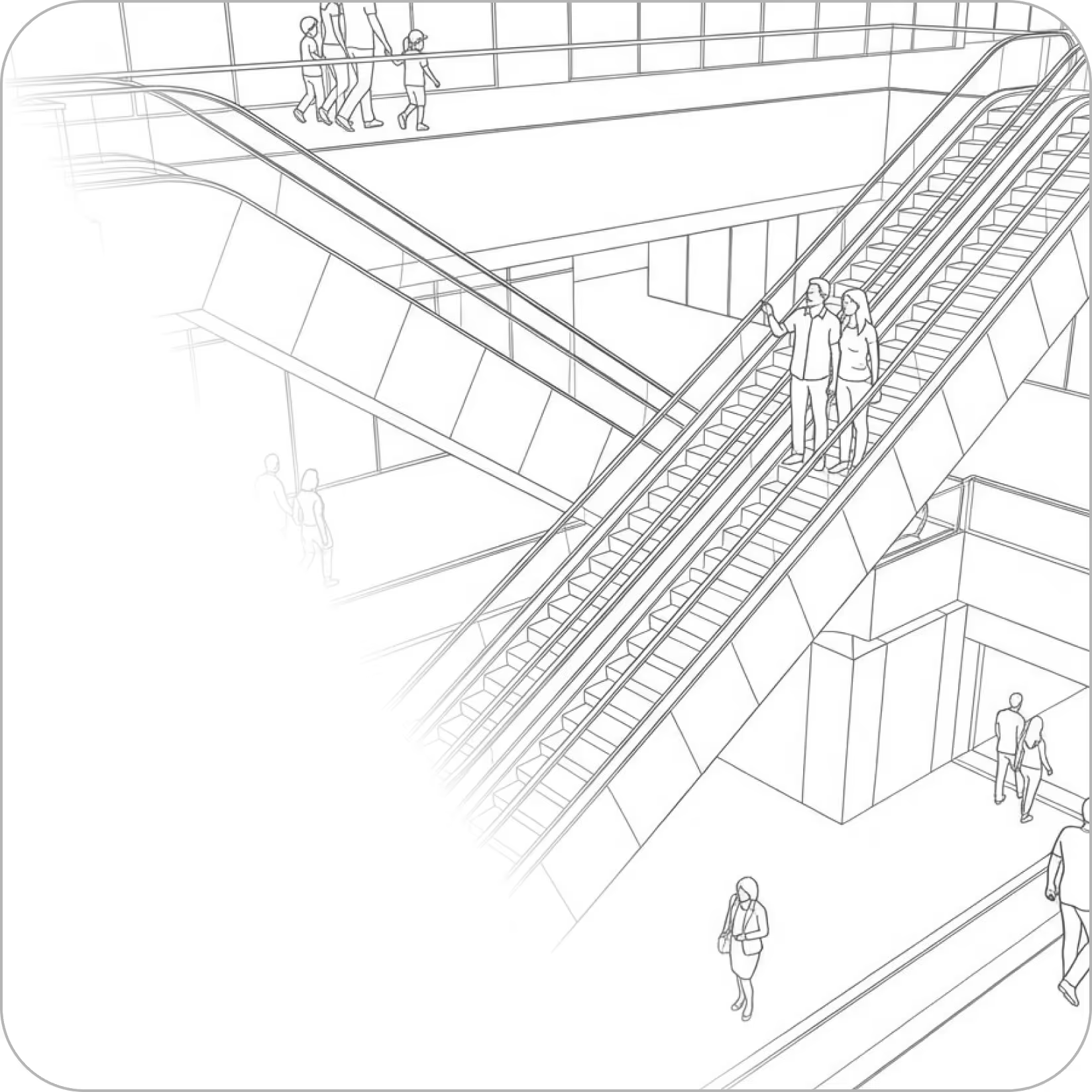
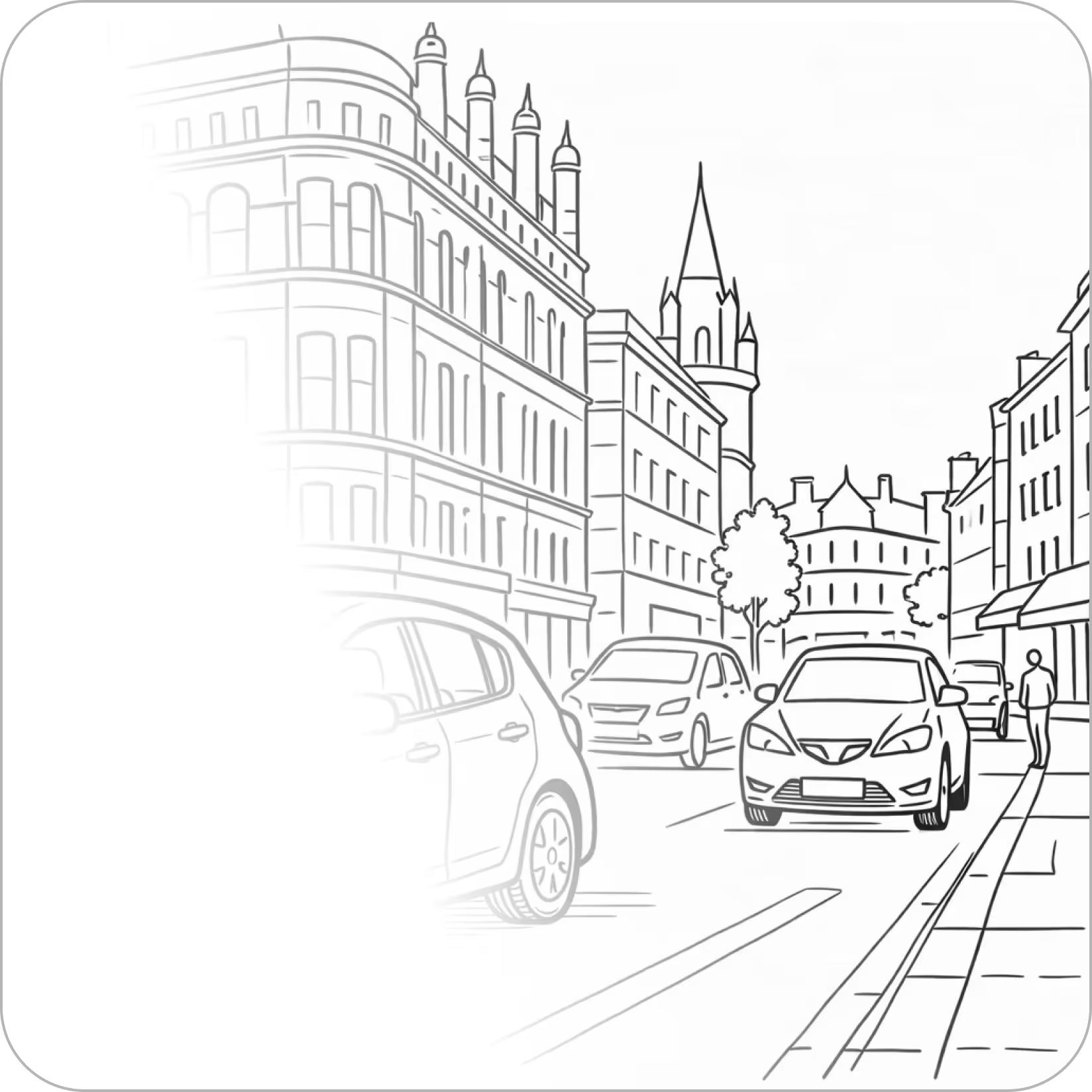
Our solution is suitable for all owners of spatially enclosed frequency parking areas. Both outdoor areas, parking garages or underground car parks are suitable for this purpose.
The costs depend on the number of parking spaces, site conditions and the chosen scope of services. Since barrier systems are not required, the total costs are often significantly lower than with conventional systems. Our savings calculator gives you an initial estimate within two minutes of how much money you can save with our digital parking system.
Yes, license plate recognition for parking management is permitted. The Peter Park system exclusively captures license plates—no facial data. Once the parking process is complete, all data is automatically deleted in accordance with statutory deadlines.
Yes, this can be easily and individually tailored to your requirements. Please feel free to contact us and we will discuss a suitable solution for you.
Depending on the size of the area and the lead time, the period from contract signing to go-live is typically four to eight weeks. The technical installation itself usually only takes a few days.
The Peter Park system is monitored remotely. In the event of disruptions, the service team responds proactively. Customers with a 24/7 support package receive round-the-clock response times. Software updates are carried out automatically and without any interruption.
At the pay station by entering the license plate number, or via a partner app (Parkster, ParkNow, PayByPhone, EasyPark).