Automatic payment for parking: what it means for parking lot owners

Digital payment methods have long been part of everyday life. According to a study by the Deutsche Bundesbank (2026), more than half of all payments in Germany were cashless for the first time in 2025, and mobile payment already ranks third among the most popular methods. Expectations are similar when it comes to parking: 55% of drivers, and as many as 75% of those under 30, now expect cashless options. Almost one in two drivers (44%) has been annoyed by pay stations that do not accept cards (girocard study 2026).
For owners of parking facilities, this is about more than convenience. With barrier systems, every ticket terminal and every pay station has to be maintained, refilled and emptied. Every forgotten ticket can lead to disputes. That is why alternative and digital payment options are in demand. The range extends from contactless card payment at the pay station to mobile payment services, online portals and apps. Automatic payment in the background goes furthest.
What does automatic payment for parking mean?
Automatic payment for parking means that the parking fee is billed without a manual payment step. A scanner recognizes the license plate on entry and exit, the system calculates the exact parking duration and charges the parking fee to a payment method stored once. At Peter Park, this feature is called Automatic Payment.
Automatic billing in three steps
{{schritte}}
- One-time registration: Drivers create an online account once, depending on the provider in a web portal or an app. Access is usually via a QR code on site or directly through the operator of the parking facility.
- One-time activation: The driver stores their license plate, or several if needed, and a payment method in the account. Automatic payment is then activated.
- Drive in, park, drive out, done: From then on, everything runs in the background: the scanner recognizes the license plate on entry and exit, the system calculates the parking duration and bills automatically. No ticket and no manual payment are needed, and all parking sessions can be traced in the customer account.
What automatic payment changes for parking lot owners
For drivers, automatic payment is above all convenient. For owners and operators, it changes day-to-day operations on site: less equipment, fewer disputes, more predictable revenue.
Fewer pay stations, less cash handling
Every pay station ties up budget and staff: purchase, maintenance, troubleshooting, emptying and refilling. The more drivers pay automatically, the less operations depend on this infrastructure. Ticket printers and paper rolls become less important, and lines at the pay station at peak times disappear.
No forgotten tickets and more convenience
Forgotten tickets and expired parking times are among the most common causes of frustration in parking lots. With automatic payment, it is no longer possible to forget to pay. That takes pressure off the site and even turns it into a modern pioneer.
Reliable revenue
Every recorded parking session is billed and collected via the stored payment method. Revenue is not lost because someone had no change, a pay station failed or paying was simply forgotten. Since billing is based on the actual parking duration, drivers also accept the rates more readily.
Individual rates for different groups
Individual rates can be charged for employees, tenants or other long-term parkers. This makes it possible to manage company parking lots, residential complexes or mixed-use facilities fairly, without contracts with different third-party providers.
Satisfied regular parkers and an attractive facility
Regular parkers notice the difference immediately: no waiting in line, no searching for coins, no manual payment. A smooth process keeps regular parkers coming back and makes the facility more attractive than alternatives nearby. The parking lot becomes part of a positive overall experience at every site.
And what do drivers get out of it?
Drivers save time, pay only for the actual parking duration and can always see their parking sessions, costs and up to three vehicles in their online account. Penalties for forgotten tickets are a thing of the past. All of this means maximum convenience and a positive parking experience.
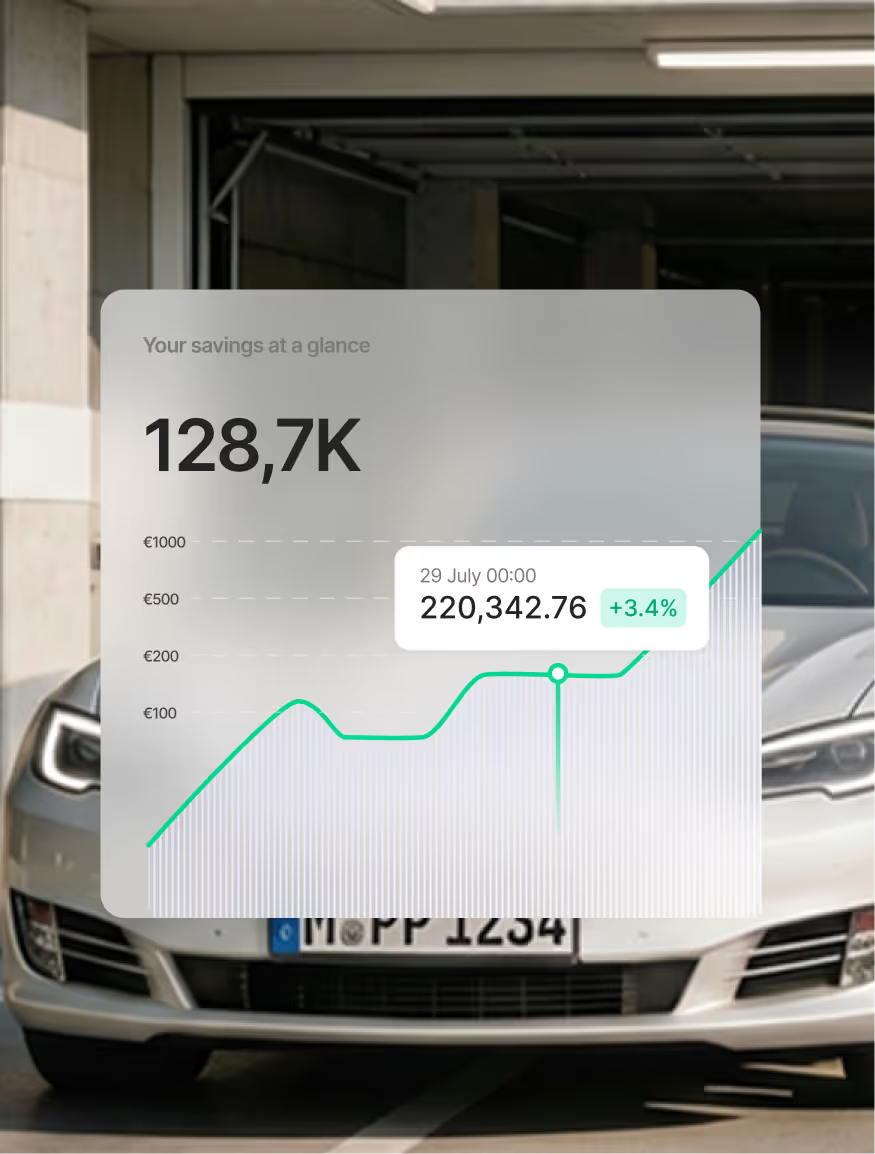
{{simulation}}
Which parking facilities benefit most from automatic payment
The effect is greatest where the same people park regularly:
- Company parking lots: Employees park every day, special rates are easy to apply and billing runs without effort for HR or facility management.
- Hospitals and healthcare facilities: Staff, long-term parkers and patients with recurring appointments benefit from a stress-free process.
- Commuter lots and train stations: Anyone who parks daily pays automatically and loses no time at the pay station.
On facilities with many occasional parkers, for example in retail or leisure facilities, automatic payment is also a useful addition to existing payment methods.
What it takes to introduce it
The switch remains manageable if a few points are considered from the start:
- License plate recognition: Scanners at the entrance and exit form the technical basis.
- Rate model: Which rates apply to short-term parkers, and which to employees, tenants or other long-term parkers?
- Other payment methods: Unregistered drivers still need a simple way to pay, for example online.
- Communication: Drivers need to know that the option exists and how to use it.
{{checkliste}}
Conclusion: automatic payment takes pressure off drivers and owners
Automatic payment makes parking easier for drivers and more predictable for owners: fewer pay stations and less cash handling, reliable revenue and flexible rates for different groups. Especially on facilities with many regular parkers, the switch quickly makes a noticeable difference in everyday operations.
{{contact}}

Melanie Geipel
This is the Bio Summary
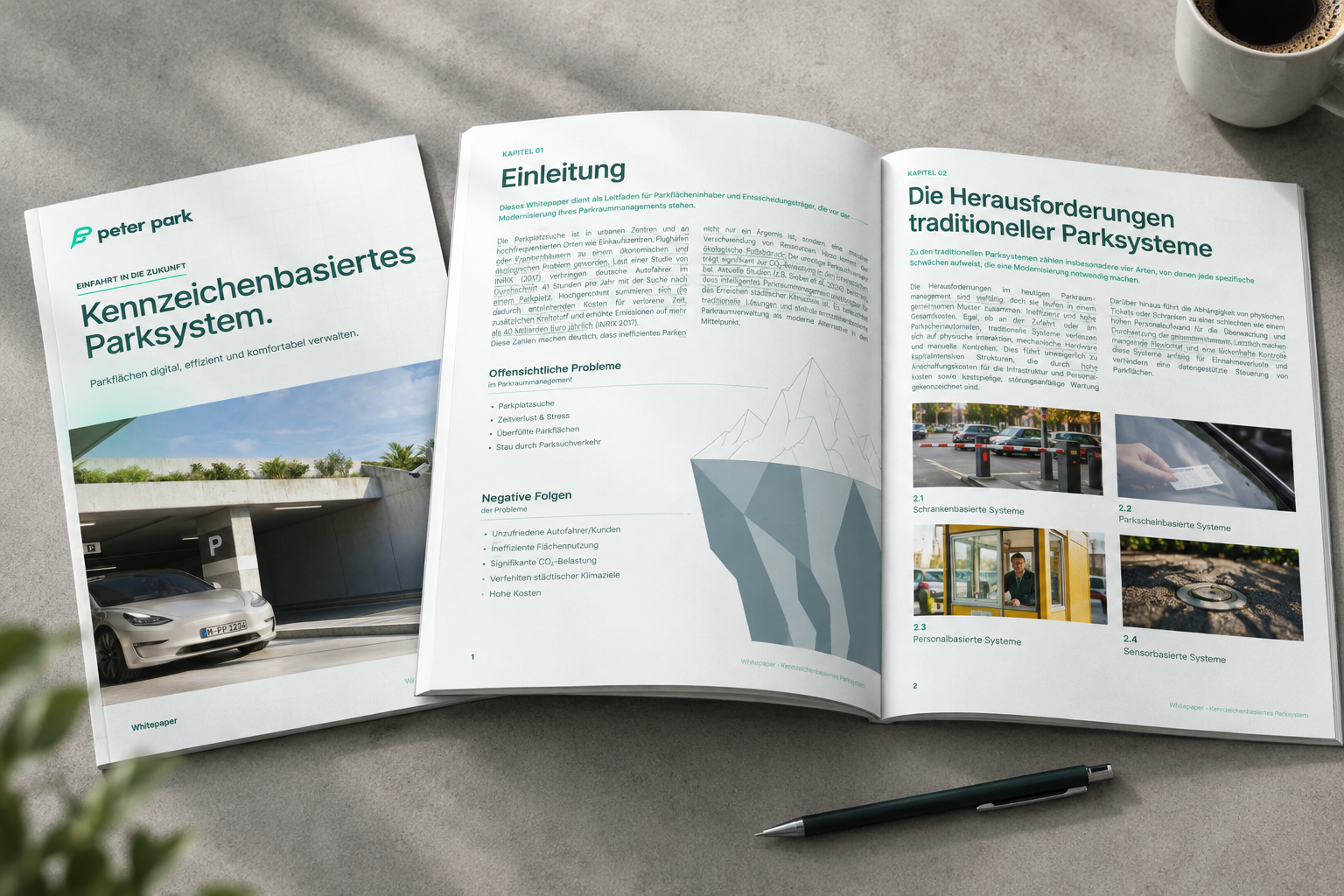
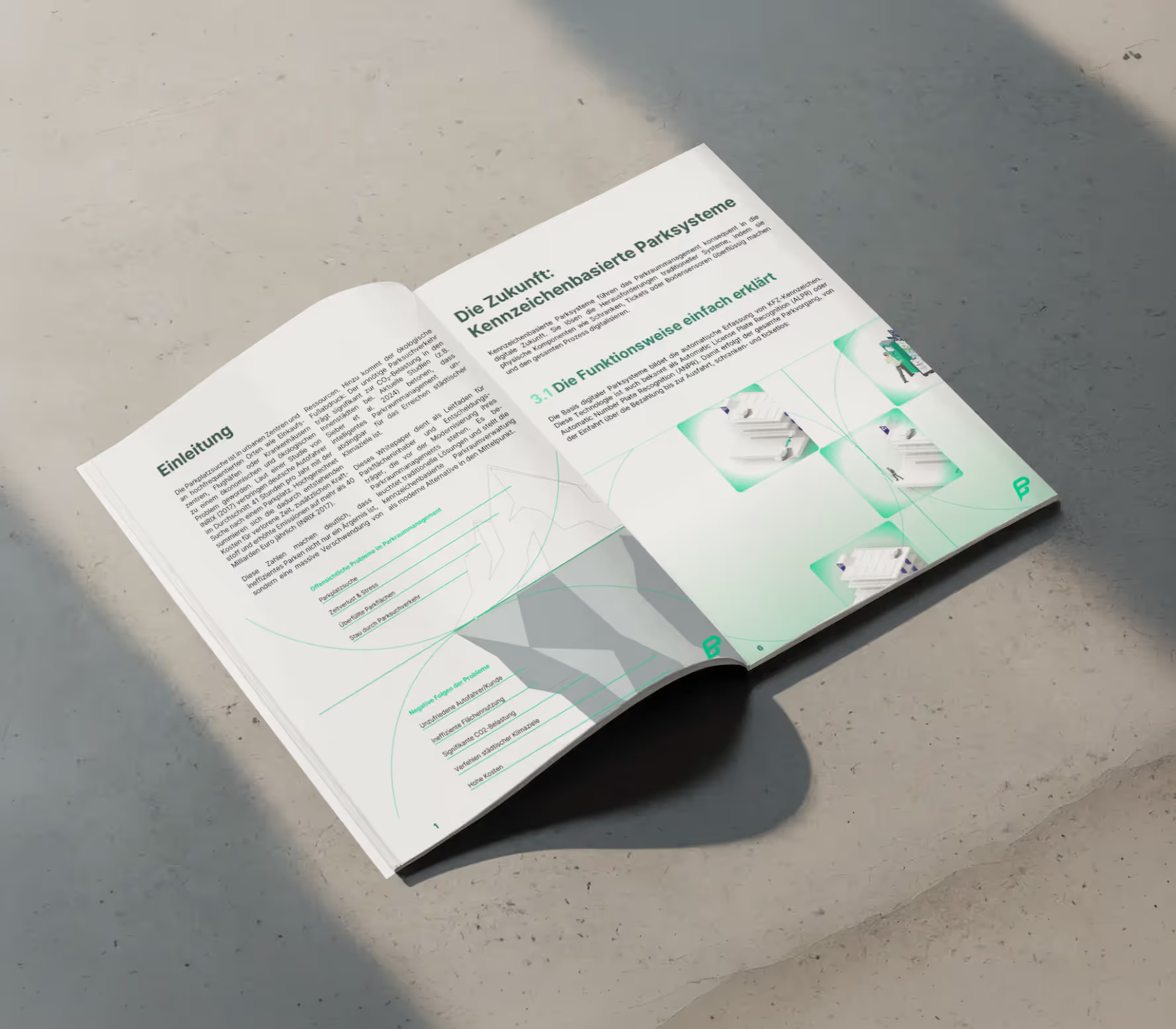
How licence plate-based parking systems work and what operators should consider when switching.
Download whitepaper