How the real estate sector benefits from the digitization of parking spaces
Trends in the real estate sector 2025
The influence of technological transformations and trends has long since found its way into previously traditional sectors of the economy, such as the real estate sector. Various factors such as demographic and urban development, but also sustainability and digitization influence industry trends and, with them, the demands and needs of real estate and the environment in which they are built. This leads to a continuous development of trends, which are presented below.
Neighborhood development
Designing and developing new and existing urban spaces worth living in not only influences city planners and architects, but also real estate and construction companies. Um creating living spaces, in which people can work, live and relax sustainably, an interplay of the physical design of buildings, including parking areas, the surrounding infrastructure, squares and green spaces within the district, is decisive. This creates an appealing environment that promotes social interaction and helps improve the quality of life. In the course of district development, the need for efficient Mobility Hubs, which connect districts both with each other and with city centers.
Mixed-use real estate
In cities in particular, mixed-use properties are more in demand than ever, as they combine the commercial and private use of a property under one roof. Limited spaces in urban areas are used efficiently and by combining residential and office space, but also services and leisure activities in one location, they shorten distances and offer residents and users a high level of comfort. For real estate companies, mixed-use properties are particularly attractive due to economic factors, as they avoid vacancies and are more resilient to market changes due to their variable usage options. Thanks to the option of flexible use, they meet the growing needs of district development and are therefore an integral part of urban areas.
{{contact}}
Sustainable real estate design
The aspect of sustainability is playing an increasingly important role in the design and implementation of real estate. Existing buildings are also being revitalized and adapted to changing economic or ecological conditions — the integration of charging facilities for E-mobility and integrated solar systems are becoming more and more common and mandatory by law. For real estate and construction companies, energy-efficient and resource-saving buildings not only provide economic benefits due to increased efficiency, but also increases the market value of the property. Efficient processes thanks to digitization in the area of parking space management not only reduce the necessary infrastructure, but also reduce wear parts of barrier systems, the regular replacement of which is completely eliminated.
digitization
The real estate sector was considered a conservative sector for a long period of time. The integration and use of digital technologies and system solutions in various areas of the real estate life cycle — from planning and development to sales, leasing and administration to the use of real estate — has only gained momentum in recent years. Potential tenants and buyers use digital solutions to search for suitable properties on online platforms, for example, or use smart home devices in their own homes. By contrast, when using digital technologies such as smart parking solutions, real estate managers benefit from optimised processes and efficient use of resources and the resulting economic benefits.
Digital parking space management: this is how it creates added value for real estate
Both private and large real estate management companies are increasingly using digital solutions to manage their buildings. These make it easier to cope with complex tasks and reduce workload. For example, automation can optimize processes and reduce costs. The digitization of areas such as the administration and control of parking spaces, which are not part of the core competencies of property managers, has enormous potential. Not only can efficiency and profitability be increased, but also the Value of real estate.
Digital parking space management in residential and office buildings
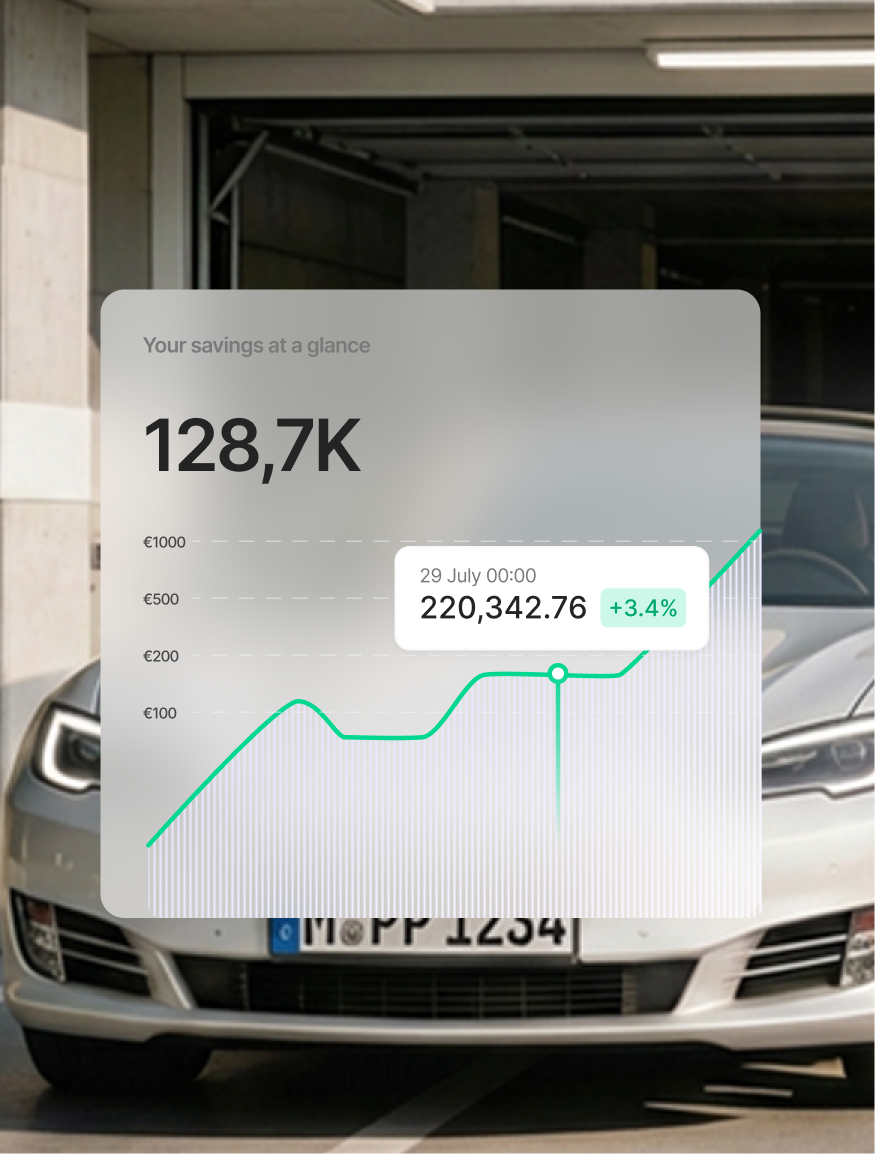
Property managers of residential and office buildings benefit from many advantages when using digital parking space management systems on their parking areas. Managing parking spaces via a central dashboard simplifies internal processes and reduces administrative costs, while, as required, various user groups and their conditions can be managed easily and without administrative effort. In addition, property management companies receive detailed data on the utilization of their parking spaces, which they can use to optimize them. Economic benefits result from the elimination of cost-intensive barrier systems. The implementation of a digital parking solution based on license plate recognition not only enhances the image of a property, but can also increase its value in the long term.
{{simulation}}
Digital parking management in retail
The use of digital parking solutions on retail parking areas such as supermarket operators or hardware stores makes it easier to control these parking spaces. Parking spaces provided by retailers are available free of charge for customers to make their purchases. Bad parkers often use parking facilities intended for customers free of charge for a limited period of time. If these spaces are occupied by wrong-way parkers, this means lower sales for retailers and personnel costs to control the spaces. Digital parking solutions, such as those from Peter Park, automatically determine the maximum parking time through automatic number plate recognition. If this is exceeded, automated tracking takes place. Retail employees can thus concentrate on their actual tasks in the company and the availability of parking spaces for retail customers is ensured. Free available spaces and a pleasant parking experience thus support visitor frequency and sales figures.
In the case of shopping centers that house both retailers and other businesses, such as medical practices, fitness centers or movie theaters, managing different conditions for different user groups plays an important role. A digital parking space management system reduces the administrative effort required to manage the various conditions to a minimum — this saves administrative resources and minimizes customer inquiries. A barrier-free system based on license plate recognition not only significantly reduces purchase and maintenance costs, but also offers visitors seamless entry and exit without stopping at the barrier, which prevents backlogs, especially at peak times. The option to pay both in cash at the vending machine and via NFC, card or app as part of digital parking contributes to customer satisfaction and finally rounds off a user-friendly parking experience.
The online shop for long-term parkers
The more diverse real estate is used, the more complex it becomes to manage the associated permanent parking spaces: Real estate managers must open, issue and collect the barriers when tenants move in or out, start new employees or leave companies. You must keep lists to always keep track of things. It is never entirely certain that each person entitled to park only the number of vehicles for which they are entitled to a parking space.
Peter Park offers a simple solution to this challenge — both for parking users and for administrations: an online shop in which interested parties can obtain their parking permits themselves — for a specific period of time (e.g. a month) or a fixed number of parking processes (e.g. 50 parking stays). Peter Park activates the online shop either for the general public or only for a specific group of people.
In this way, property management companies can ensure that only apartment tenants and employees of companies based there buy tickets online in a mixed-use property. Property management companies can offer different rates to different groups of people. Apartment tenants whose parking space rent is already included in the apartment rent then receive their parking permit, for example, without having to pay via the online shop. They simply store their license plate number. Other parking people must buy and pay for their tickets in the same online shop.
If parking spaces in underground car parks are empty, owners can simply offer them to other interested parties via the online shop. Parking spaces in an office building that employees do not need on weekends and at night are available to residents during these periods, improving overall occupancy and increasing the turnover of parking space owners.
The advantages of the online shop:
- Automated and targeted ticket allocation: Providers also manage complex tariff structures, in which different groups of people should benefit from different parking conditions, with just a few clicks.
- Data protection-compliant processes: Compliance with the General Data Protection Regulation (GDPR) is ensured and all user data is processed securely and in accordance with the law.
- Increasing efficiency: Providers simply provide parkers with a link to the online shop. The complete management of long-term parkers and their license plates is carried out digitally. There is no need to hand over parking cards in person — the license plate becomes a long-term parking ticket.
Conclusion: The real estate sector benefits from digitization in the long term
Progressive digitization and innovative trends are strongly shaping the real estate sector and its administrations. Outdated processes often hinder efficiency and profitability. Factors such as demographic or urban development influence the industry and the development of trends such as the development of districts, mixed-use real estate and the implementation of digitized technologies and system solutions. If these are used in real estate to simplify processes and reduce both administrative and economic expenses, not only efficiency increases, but also market value and attractiveness for tenants and buyers. Vacancy in parking spaces can be reduced with digital parking space management systems and improved capacity utilization in the long term.
Digital parking space management has enormous potential and represents an attractive solution for increasing the efficiency and thus profitability of real estate by automating processes.

Regina Groß
Wir entwickeln die optimale Lösung für Ihr digitales Parkraummanagement: nahtlos integriert, KI-gestützt und mit allen Funktionen, die Sie benötigen.