Parking management in hospitals: Cutting costs and easing workloads

Why is the hospital car park often a cost factor?
Hospital car parks are used by very different groups: patients, visitors, staff and permit holders. Each group needs different rules. This administration runs alongside actual hospital operations and ties up time and staff.
On top of this come high maintenance costs for barrier systems and capacity that is not used efficiently. Following up on illegal parkers also costs staff and time. Many operators are therefore looking for a solution that allows them to manage parking centrally, use it efficiently and operate it economically. This can be achieved with digital, fully automated processes.
What challenges do hospitals face in parking management?
Many user groups with different permissions
Staff and some patients or relatives need a long-term parking space. At the same time, there must be enough free spaces for visitors who only park for a few hours. Each group has its own permissions, which must be reflected in parking management.
Illegal parkers in spaces for staff
Unauthorised parkers often block spaces assigned to medical staff. Manual checks and follow-up are time-consuming. They come on top of everyday hospital work and are considered a tedious chore in many hospitals.
High purchase and maintenance costs of barriers
Conventional barrier systems are expensive to buy and maintain. With tight budgets, a broken barrier is a noticeable cost factor. Repair is nevertheless unavoidable, because otherwise the car park cannot be used. You can read what to do in the event of a malfunction in our article on the broken car park barrier.
Time-critical situations in emergencies
It becomes particularly critical when an ambulance brings in an emergency. A broken barrier, waiting vehicles or even just stopping in front of a working barrier cost time. This can be life-threatening for patients. In addition, barriers are damaged when emergency vehicles enter at speed, which causes unplanned costs.
How does a barrier-free parking system work in a hospital?
On entry, cameras automatically record the licence plate. The parking session starts without the vehicle having to stop. On exit, the licence plate is recorded again and the parking duration is calculated.
Payment is made as usual at the pay station by debit or credit card or by mobile phone. There, drivers enter their licence plate, and no paper ticket is needed. Alternatively, drivers simply leave and pay automatically via a connected partner parking app such as EasyPark or Parkster. The trip to the pay station is then no longer necessary at all.
You manage all user groups in the central Peter Park Dashboard on a computer, tablet or mobile phone. You add or remove long-term parkers such as staff or patients with just a few clicks. Administration is accurate to the minute.
- Staff: need a long-term parking space and fast access at the start of a shift. Implementation: licence plate stored, individual discounts, no queue.
- Long-stay patients: need a longer parking duration on fair terms. Implementation: individual discounts set flexibly in the dashboard.
- Visitors: need free short-term spaces. Implementation: rate based on parking duration, payment at the pay station or by app.
- Relatives of emergency patients, older people: need leniency when the parking time is exceeded. Implementation: activate leniency centrally in the dashboard.
- Emergency services: need entry without stopping. Implementation: no barrier, no delay.
{{cta}}
Where can hospitals save costs on parking?
There is great potential for savings around car parks. Process automation reduces costs and makes mixed use of the car park more efficient. The three biggest levers:
Abolish barrier systems
The purchase and maintenance of barriers are among the biggest cost factors. A barrier-free system eliminates maintenance costs caused by broken equipment. You also avoid repair costs, loss of revenue and annoyed visitors when systems fail. The purchase costs of the digital system are comparatively low.
Free up enforcement staff for value-adding tasks
If you currently have your car park patrolled by staff, this effort is eliminated. The system identifies illegal parkers automatically, and follow-up is outsourced. Your hospital staff can focus again on tasks that belong to the core business.
Save on paper tickets
Small items also add up. Without paper tickets, magnetic cards or paper passes, printing and material costs fall. At the same time, less waste is produced.
- Purchase: high for a conventional barrier system, low for a digital parking system.
- Maintenance and repair: regular for a barrier system and needed immediately in the event of a defect, eliminated for barriers with a digital parking system.
- Enforcement against illegal parkers: patrols by staff with a barrier system, automatic detection and outsourced follow-up with a digital parking system.
- Tickets and cards: paper tickets, magnetic cards and passes with a barrier system, with a digital parking system the licence plate is the ticket.
- Risk of failure: backlogs and loss of revenue in the event of a defect with a barrier system, with a digital parking system there is no barrier that can fail.
How does the car park become a source of revenue?
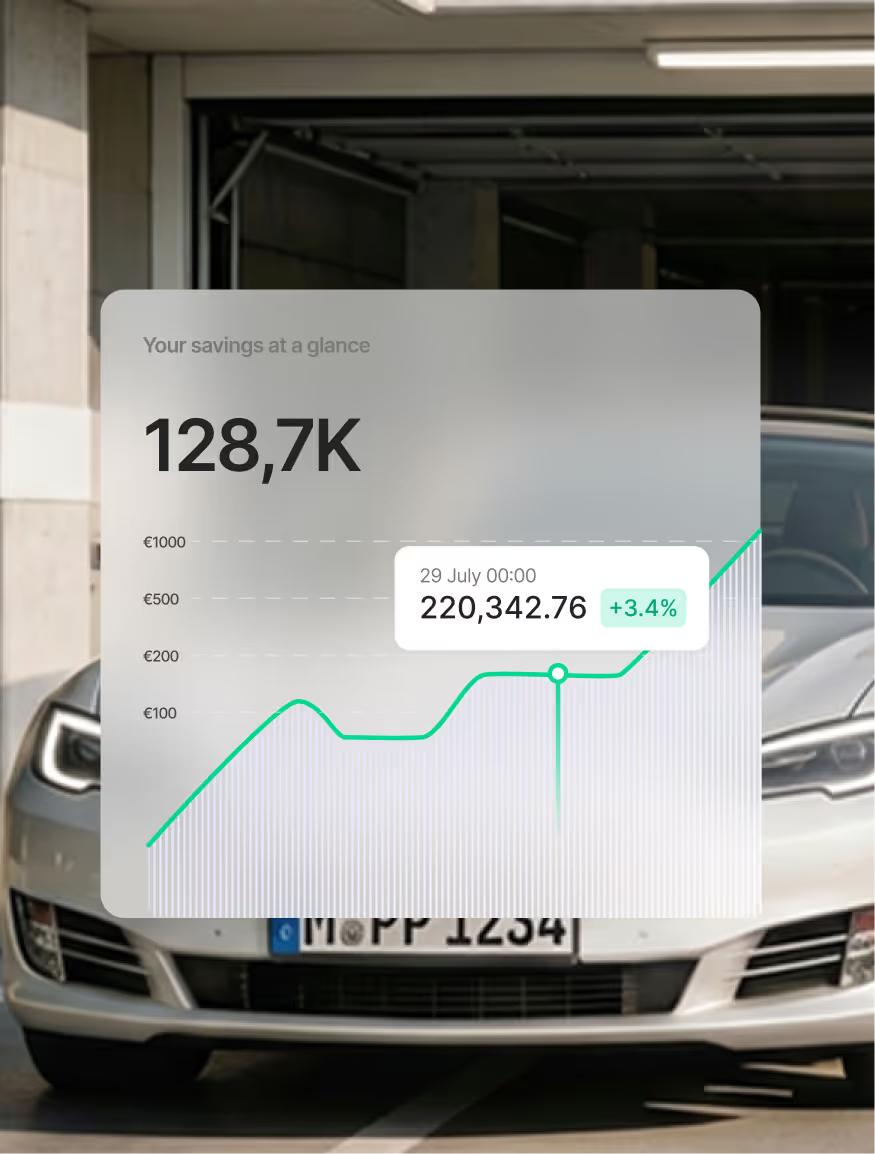
The dashboard evaluates all relevant data. You can identify trends in occupancy and create revenue forecasts. This allows you to make optimal use of the car park and not waste any capacity.
With flexible rate structures for each user group, you optimise your revenue. The cost factor becomes a source of income. Many hospitals reinvest parking fees in maintaining the car parks or in mobility concepts for their staff.
What are the benefits for patients and staff?
Patients and visitors drive in and out without waiting in front of a closed barrier. No contact with other people is necessary until payment, which is an additional help in a healthcare facility.
For staff, the assigned spaces can be reached without queues in the morning or after work. Discounts and approvals are handled centrally via the dashboard. This means less stress, less administration and more efficiency. You can find out more about digital parking permits on our product page.
The environment also benefits: Without cars waiting at the barrier, CO2 emissions on the site are reduced.
Is licence plate recognition in hospitals compliant with data protection law?
Data protection has top priority in medical facilities. Patient and staff data must remain confidential. The Peter Park system meets the requirements of the GDPR: The scanner only records the licence plate, and there is no video recording of the driver.
An image of the licence plate and a text file with a time and date stamp are recorded. Once payment has been completed, this data is deleted from the cloud in compliance with the GDPR. The data is stored and processed in Germany.
Practical examples: Hospitals that already park without barriers
Krankenhaus Porz am Rhein, Cologne
Krankenhaus Porz am Rhein has taken over the management of its car parks itself and switched to the digital system. Maintenance and servicing costs for the barrier system no longer apply, nor does manual enforcement of parking violations. Flexibly bookable tickets adapt to patients, staff and visitors. The switch was part of a mobility initiative with subsidies for job tickets and support for e-bikes for staff.
»As a modern, forward-looking healthcare provider, in addition to cutting-edge medicine (...) we have also made sustainable mobility one of our causes«, said Arist Hartjes, Managing Director of Krankenhaus Porz am Rhein at the time of the switch.
Landesklinikum Scheibbs, Austria
»The switch to the electronic system is modern, environmentally friendly and avoids time-consuming service and maintenance work on the barrier system«, said Klaudia Watzinger, Commercial Director at the time of the switch.
Arberlandklinik Viechtach, Bavaria
Digital management ensures that patients, staff and visitors always find enough parking spaces. At the same time, CO2 emissions are reduced because cars no longer wait at the barrier.
Kreiskrankenhaus Schrobenhausen
The parking situation here was a topic of debate for a long time. Today, managing the few parking spaces is easier, and the parking fees generate revenue. »We in turn want to invest the revenue in renewing the car parks and in promoting alternative means of transport and electromobility«, said Holger Koch, hospital Managing Director at the time of the switch.
How such a project is implemented in a large institution is shown in our report on barrier-free parking at Leipzig University Hospital.
{{contact}}
Conclusion
Digital parking management relieves hospitals of costs and administrative effort: Barriers, paper tickets and enforcement by staff are no longer needed. You manage all user groups centrally and with suitable conditions. Parking fees become revenue that you can reinvest in car parks and mobility. Patients, visitors and staff park without waiting and can concentrate on what matters.

Regina Groß
PR manager with a passion for IT and digitization who loves to translate complex issues into understandable stories.
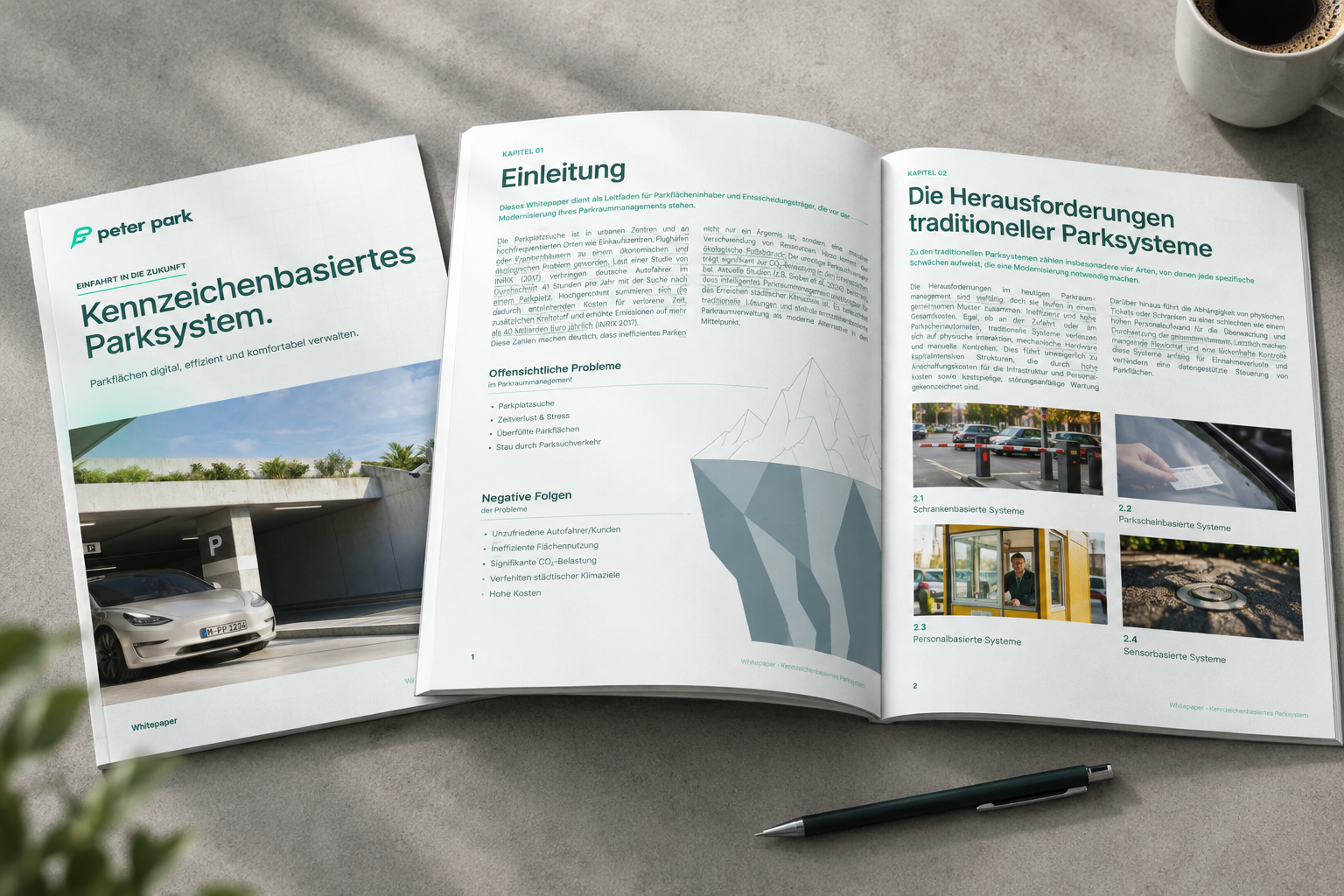
How licence plate-based parking systems work and what operators should consider when switching.
Download whitepaper